

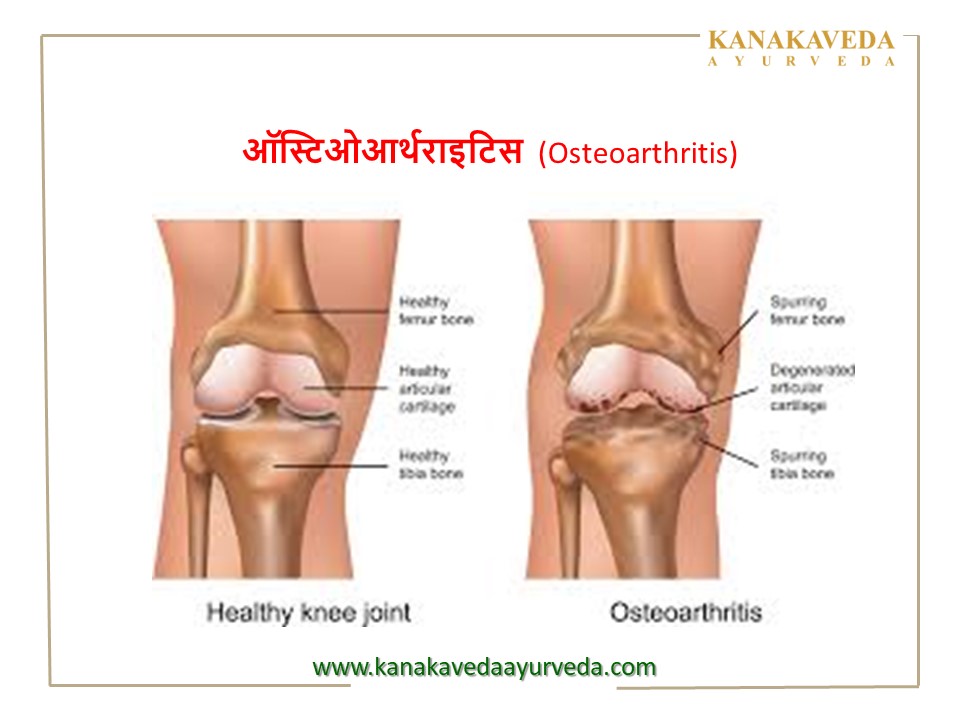
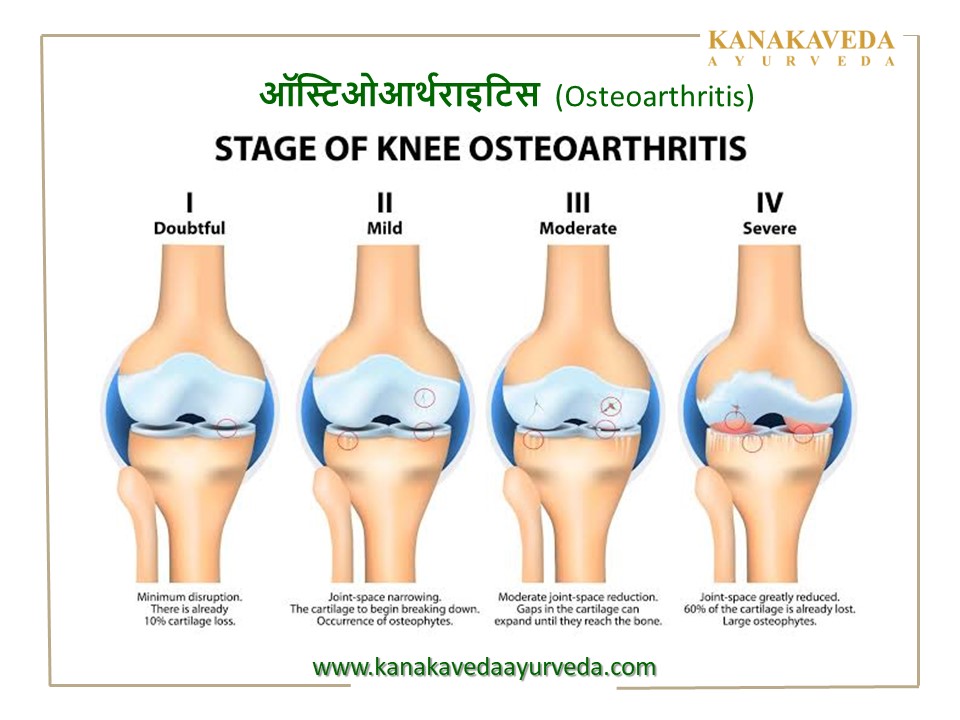
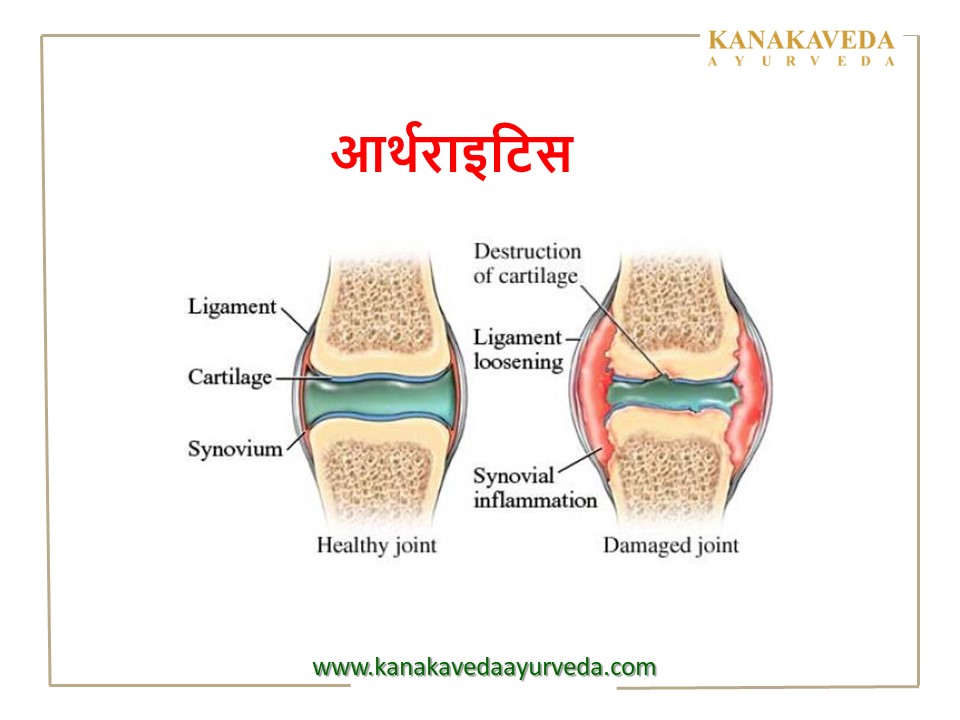
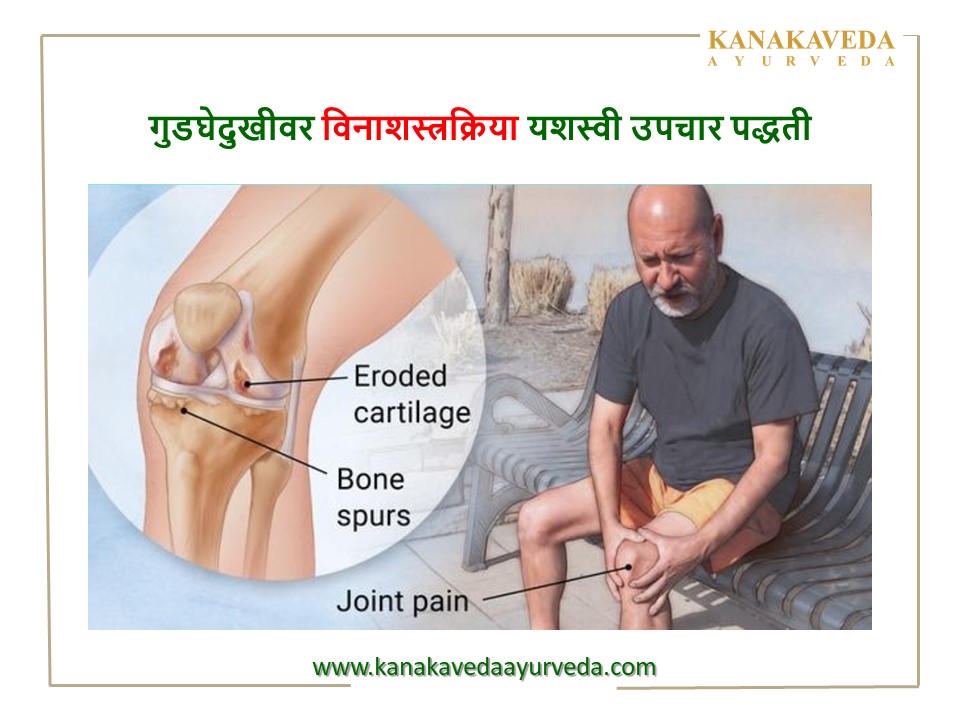
Knee joint osteoarthritis (OA) is a degenerative joint disease characterized by the breakdown of cartilage, the smooth tissue at the ends of bones where they form a joint. This condition leads to pain, stiffness, swelling, and decreased mobility in the knee. It is one of the most common forms of arthritis and typically affects middle-aged and older adults.
Types of Knee Joint Osteoarthritis
Knee osteoarthritis can be classified into two main types:
- Primary Osteoarthritis: This type develops as a result of the natural aging process. Over time, the wear and tear on the knee joint lead to the gradual degeneration of cartilage.
- Secondary Osteoarthritis: This type results from an underlying condition or injury, such as trauma, obesity, congenital abnormalities, or other diseases that affect cartilage.
Complications
If left untreated, knee joint osteoarthritis can lead to several complications:
- Chronic Pain: Persistent and severe pain can significantly affect the quality of life.
- Decreased Mobility: Stiffness and pain can limit the range of motion, making everyday activities challenging.
- Joint Deformity: Advanced stages can cause joint misalignment and deformity.
- Bone Spurs: The body may form extra bone around the knee joint, causing further pain and stiffness.
- Mental Health Issues: Chronic pain and reduced mobility can lead to anxiety, depression, and social withdrawal.
Reasons for Knee Joint Osteoarthritis
Several factors can contribute to the development of knee joint osteoarthritis:
- Age: The risk increases with age due to the cumulative wear and tear on the joints.
- Genetics: A family history of osteoarthritis can predispose individuals to the condition.
- Gender: Women are more likely to develop osteoarthritis, particularly after menopause.
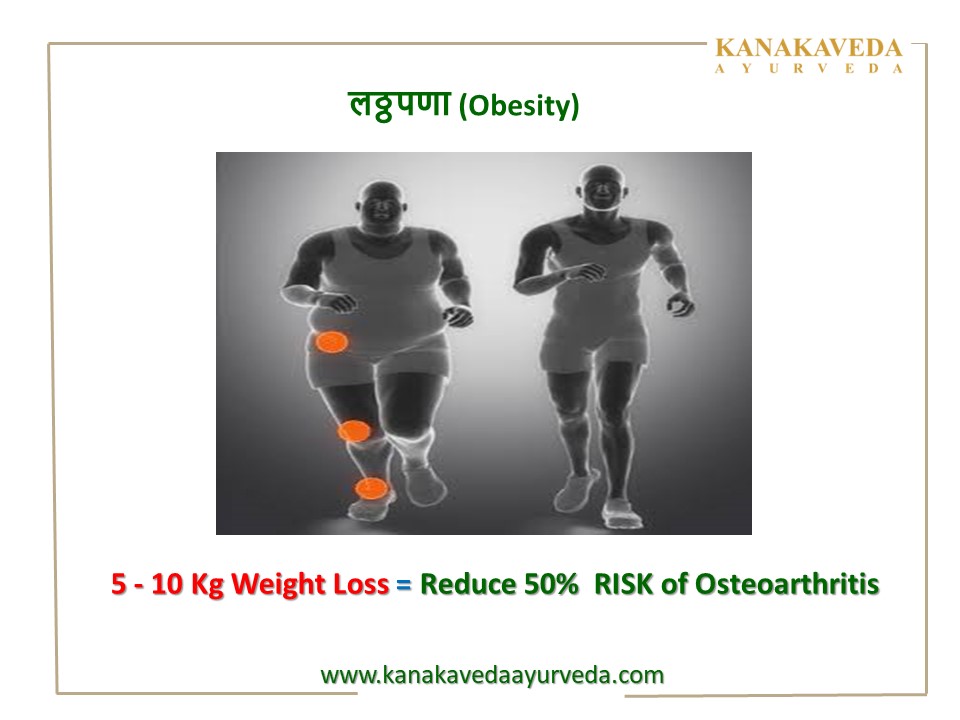
- Obesity: Excess body weight puts additional stress on the knee joints, accelerating cartilage breakdown.
- Injury: Previous knee injuries, such as fractures or ligament tears, can increase the risk.
- Repetitive Stress: Jobs or activities that put repetitive strain on the knee joint can contribute to osteoarthritis.
- Other Health Conditions: Conditions like rheumatoid arthritis, metabolic disorders, or bone deformities can lead to secondary osteoarthritis.
Allopathy Treatments
Allopathic medicine offers several treatment options to manage the symptoms and progression of knee joint osteoarthritis:
Medications:
- Analgesics: Pain relievers such as acetaminophen.
- Nonsteroidal Anti-inflammatory Drugs (NSAIDs): Ibuprofen and naproxen to reduce pain and inflammation.
- Corticosteroids: Injections to reduce inflammation and provide temporary relief.
- Hyaluronic Acid Injections: To lubricate the joint and reduce pain.
Physical Therapy: Tailored exercises to strengthen the muscles around the knee, improve flexibility, and reduce pain.
Lifestyle Modifications: Weight loss, avoiding activities that strain the knee, and using assistive devices like braces or canes.
Surgery: In severe cases, surgical options include:
- Arthroscopy: Minimally invasive surgery to clean out the joint.
- Osteotomy: Realigning the bones to reduce stress on the knee joint.
- Joint Replacement: Total or partial knee replacement with artificial components.
Ayurvedic Treatments
Ayurveda, the traditional Indian system of medicine, offers holistic approaches to manage knee joint osteoarthritis:
Herbal Remedies:
- Shallaki (Boswellia serrata): Anti-inflammatory properties to reduce pain.
- Guggulu (Commiphora mukul): Helps in reducing inflammation and pain.
- Ashwagandha (Withania somnifera): Strengthens muscles and bones.
- Turmeric (Curcuma longa): Contains curcumin, a powerful anti-inflammatory compound.
Panchakarma Therapy: A detoxification process that includes:
- Abhyanga (Massage): With medicated oils to improve circulation and reduce stiffness.
- Swedana (Steam Therapy): To relax muscles and relieve pain.
- Vasti (Enema Therapy): Using medicated oils to cleanse the colon and support joint health.
Diet and Lifestyle:
- Anti-inflammatory Diet: Incorporating foods rich in antioxidants and avoiding processed foods.
- Yoga and Exercise: Gentle exercises to maintain mobility and strengthen the knee joint.
- Stress Management: Practices like meditation and breathing exercises to manage pain and improve overall well-being.
Conclusion
Knee joint osteoarthritis is a common and debilitating condition, but with appropriate treatment and lifestyle changes, its impact can be significantly reduced. Allopathy offers a range of medications and surgical options, while Ayurveda provides holistic and natural approaches to manage symptoms and improve quality of life. Consulting with healthcare professionals to create a personalized treatment plan is essential for effective management of knee joint osteoarthritis.
By understanding the condition and exploring various treatment options, individuals can take proactive steps towards maintaining joint health and leading a pain-free, active life.